



Introduction
The exterior of your home is constantly being exposed to the elements: rain, sun, wind, moisture, and the constant changes in temperature. These can cause damage to exterior walls over time, especially without protection, and can lead to higher maintenance costs. That is where the cladding plays an important role in the construction of a modern house. Cladding is not only a protective layer but also enhances the aesthetics of buildings, both residential and commercial, while offering an extra layer of protection. There are a variety of materials available, ranging from the traditional wooden boards to composite cladding panels. Learning how cladding works, what its various types are, and what its benefits are can help you choose an exterior wall solution that will offer durability, an attractive look and long-term performance.
What Is Cladding?
Cladding is a covering on the exterior of a building that is used to protect and enhance its appearance. It serves as an extra layer between the building structure and outside environmental factors. In contrast to structural walls, cladding is not usually used to support the building. Rather, it serves to control exposure to the elements, to safeguard the structural materials, and to provide an attractive surface on the exterior of the building. Residential and commercial uses of materials include wood, composite, vinyl, metal, stone and fibre cement. Some homeowners look for cladding when they're looking for exterior wall coverings, but it's actually the right word. It works well when installed using the correct materials and installation techniques and when using the right wall construction techniques.
How Does Cladding Protect Exterior Walls?
Protection Against Rain and Moisture
Protection from rain and moisture exposure of exterior walls is one of the most important purposes of cladding. If rain is falling on a building, the outer surface of the cladding helps to prevent rain from entering the building. A drainage/ventilation space behind the exterior panels is often created in many modern installations using a rainscreen system. This will permit incidental moisture to flow away and keep damp surfaces dry. A water-resistant barrier is installed under the cladding to give further protection. All of this helps to minimise the chances of moisture retention, mould formation and decay of susceptible walls.
Protection Against Sunlight and Weather
Exterior walls are exposed to seasonal weather conditions, wind, changing temperatures and UV rays. The surface finishes and material deterioration can be impacted by these environmental factors over time. These conditions are catered for by quality cladding for outside walls – an extra layer of protection. Exterior cladding can withstand fading, cracking, corrosion or weathering damage, depending on the material that has been selected. For modern exterior use, composite and metal panels have become very popular, and some types are available with a weather-resistant finish. But the effectiveness of different manufacturers varies, and to ensure long-lasting protection, the selection and installation of materials is crucial
Improved Insulation and Energy Efficiency
When clad in a well-designed exterior wall system, cladding can help achieve a building's overall energy efficiency. Exterior insulation can be applied behind cladding panels to minimise heat transfer through walls, for instance. This can help to keep the interior temperature comfortable in hot summers and cold winters. However, just "cladding" is not enough to add meaningful thermal insulation. It works as part of the full wall assembly, such as insulation, air sealing, air movement and moisture management. These factors need to be taken into account as a whole rather than solely in terms of wall or exterior covering.
Main Types of Cladding Materials
Composite Cladding
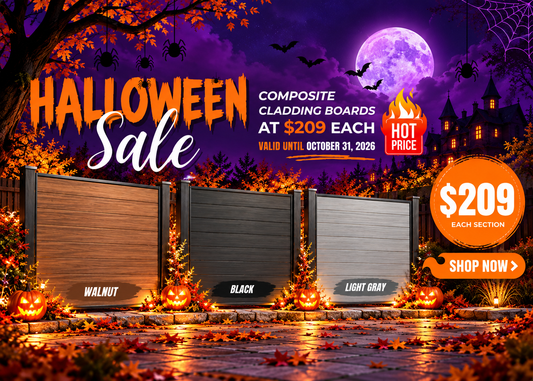
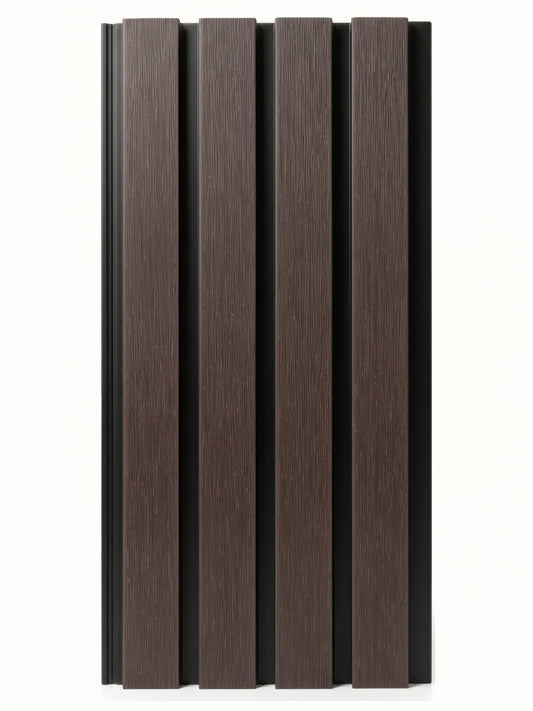
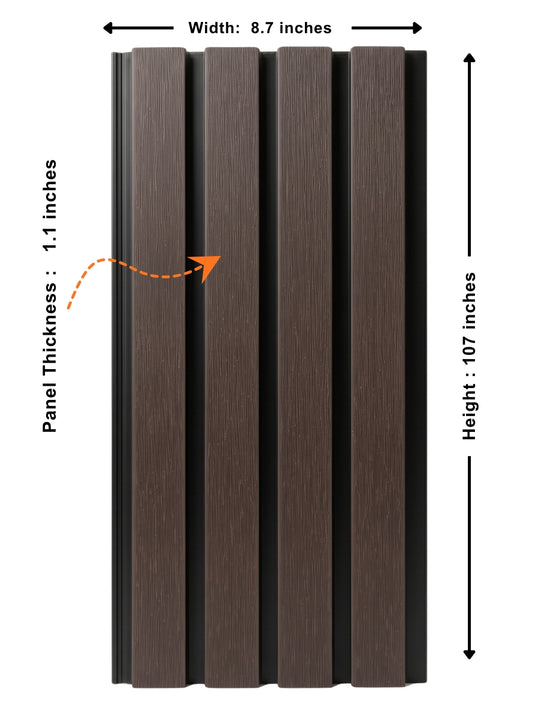
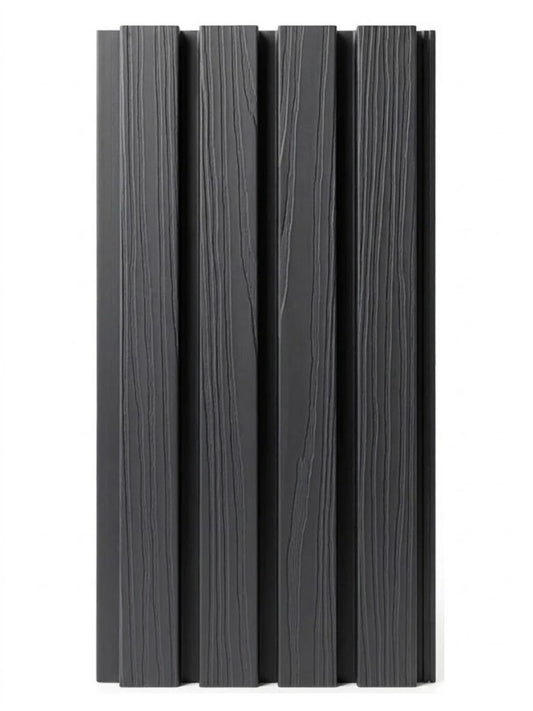
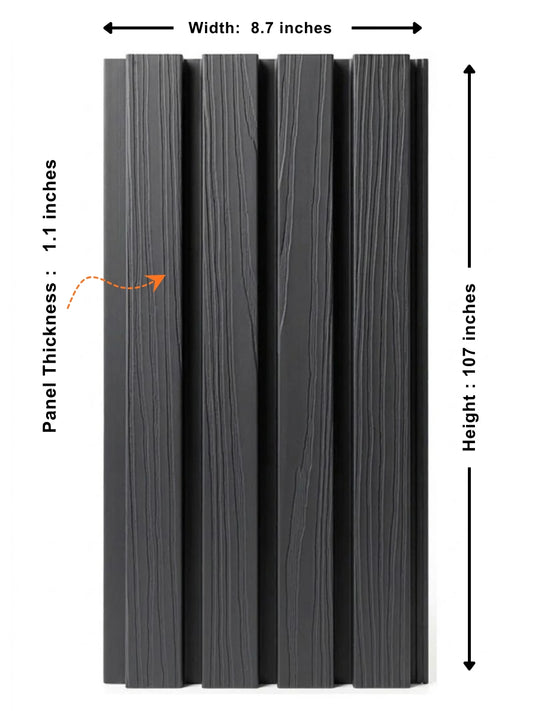
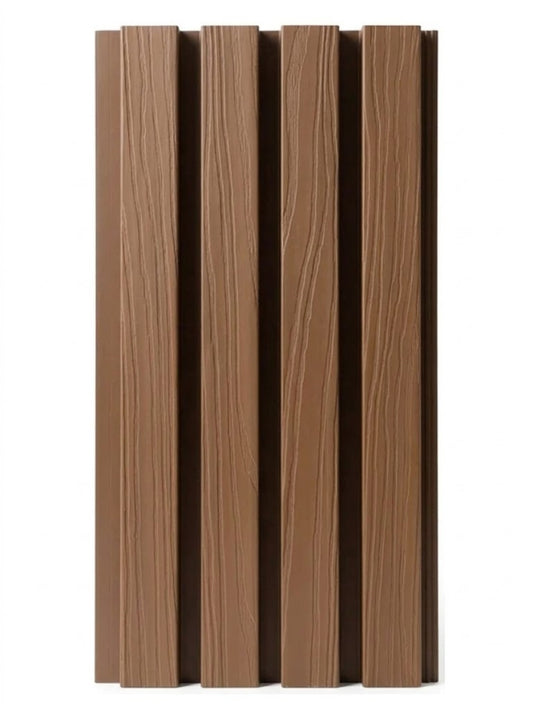
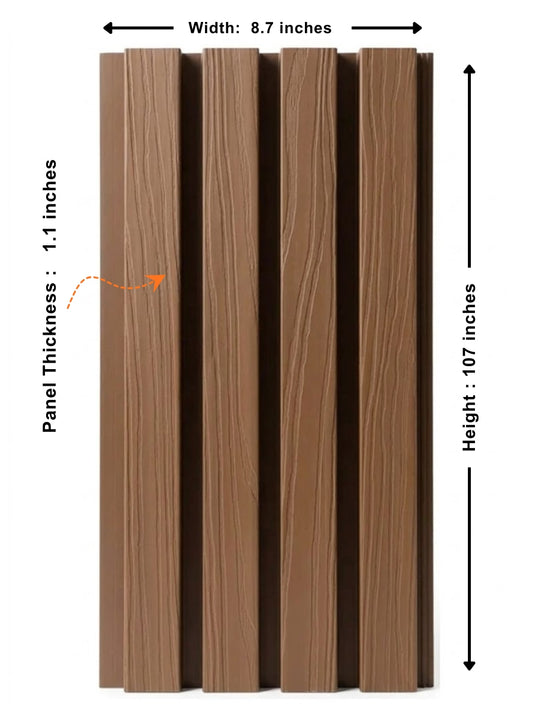
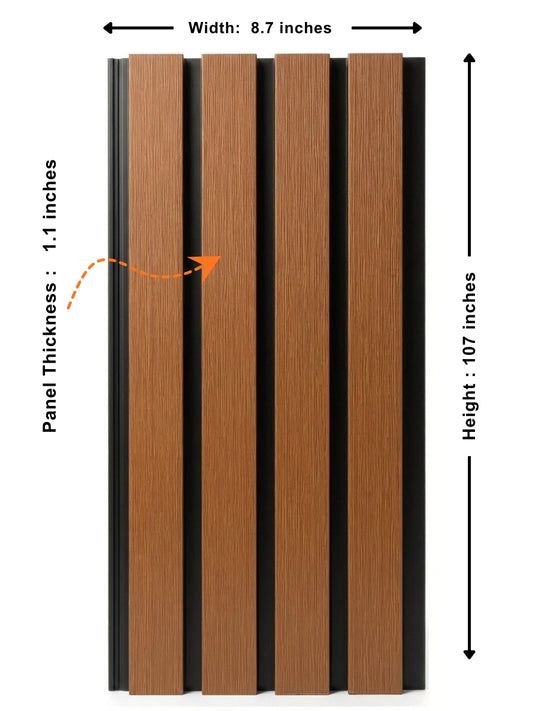
Composite cladding is a contemporary exterior wall solution which is usually made from composite wood fibres, polymer and other ingredients. It is popular amongst homeowners who want the look of natural wood but with less maintenance. Many composite panels have moisture, insect and environmental resistance. These come in a range of colours, textures and finishes, which makes them ideal for modern homes' facades. The composite cladding panels can also provide uniform patterns on the walls that have a beautiful, architectural look. At NewGen Depot, homeowners will find exterior composite cladding choices in modern colours and finishes inspired by wood for exterior wall projects.
Wood Cladding
For those who want their homes to have a natural aesthetic and warm exterior, wood cladding is still a popular choice. Popular wood varieties include cedar, redwood, pine and other suitable exterior-grade wood varieties. Wooden boards can be placed horizontally, vertically or interlocked to form various architectural designs. Natural wood is also considered to be more design-flexible since it can be stained, painted or treated to obtain a desired look. But wood is a material that usually needs to be treated more often than other materials. Minimising risks of rot and insect damage, discolouration, and deterioration is accomplished by regular inspections, appropriate protective finishes, and moisture management.
Vinyl Cladding
Vinyl cladding is popular throughout the United States, especially when it comes to residential construction and renovations. It is produced from a polyvinyl chloride compound and comes in various colours, profiles and surface finishes. People like vinyl because it is easy to put up, relatively inexpensive and seldom involves a lot of routine maintenance. Exterior products made of rigid PVC are also, in some markets, referred to as uPVC cladding. These materials do not need to be painted regularly, but may need to be cleaned to remove any accumulated dirt. As important, correct installation is needed since changes in temperatures can lead to expansions and contractions, and some products can be damaged by too high temperatures or heavy impacts.
Fibre Cement Cladding
Fibre cement cladding is made with a combination of cement, cellulose fibres, sand and other materials. It is often used in homes that need a long-lasting exterior siding that features a classic or modern design. The material could be painted wood boards, smooth panels or textured architectural surfaces. There are many fibre cement products that will resist insects, rot and exposure to fire; however, performance varies based on product testing and installation. Fibre cement is typically heavier than vinyl and could need more installation labour. When planning projects for the exterior of the house, homeowners should also take into account the right cutting methods, fasteners, coatings and manufacturer recommendations for fibre cement exterior wall projects.
Metal Cladding
Contemporary houses, shops, office buildings, warehouses and industrial buildings are commonly clad in metal. They are made of common materials such as aluminium, steel, and zinc; each has different performance and appearance attributes. Metal panels can be used to achieve sleek exterior surfaces in any horizontal, vertical or geometric pattern design. Aluminium is used for lightness and corrosion resistance, and steel with a suitable coating is used for strength and durability. Special fastening or thermal movement allowances may be necessary, and details around openings are important. Additionally, some materials may dent or corrode on the surface when exposed to impact forces or when using inappropriate finishes in harsh conditions.
Stone Cladding
The stone cladding design gives a unique appearance to the exterior of the building, which is connected with traditional, rustic-looking and luxury architecture. Natural stone is made of slate, limestone, granite and sandstone, and manufactured stone veneer offers additional design options. Usually, stone finishes are found around exterior columns, fireplaces, decorative feature walls and entrances. The textured surfaces they can add can enhance the otherwise simple building designs. But stone systems can be more expensive than lightweight systems, due to the cost of the stone materials and the installation. When incorporating heavier natural stone products on the exterior walls, critical elements such as proper structural support, drainage, attachment and moisture protection must be addressed.
Where Is Cladding Commonly Used?
Residential Homes and Exterior Walls
A common application of residential cladding is that of detached houses, townhouses, extensions and refurbished houses. It is applied by homeowners to rejuvenate exterior surfaces that are getting a bit worn down or to add some fresh architectural elements. A wall for a “cladding” application may have different textures; it may be used as "vertical panels", horizontal boards or decorative “combinations”. Wood-look composite panels, for instance, can be used in conjunction with painted masonry or brickwork or stone finishes. Cladding can be applied to large areas of the wall or to accentuate smaller areas around the entrances and above. Careful selection of the design can enhance curb appeal while still retaining the protective qualities of an entire exterior wall system.
Sheds, Garages, and Outdoor Structures
Cladding is also suitable for sheds, detached garages, garden offices and other structures outside that experience varying weather conditions. The structures are frequently necessary to be covered with materials which are resistant to rain, sunlight and regular outdoor use. This can be done using composite, wood, vinyl or metal, depending on the design of the structure and its local needs. If you want to enhance the appearance of an older shed or if you want to achieve a coordinated appearance within a garden with multiple sheds, then you need to carefully Select/Design your shed exterior panels. In timber-framed installations, appropriate moisture barriers, drainage and ventilation are important to ensure the underlying structure is maintained.
Commercial Buildings and Offices
Cladding is often employed in commercial buildings to provide protection as well as providing a modern facade. Metal, composite, stone or other engineered exterior panel systems can be used in retail stores, offices, hospitality buildings or warehouses. These coverings can be used to add attractive finishes that do not need to be used, as all of the masonry surfaces are exposed. These can be used to establish visual consistency through large format panels and using a variety of colours to differentiate entrances and architectural features. These requirements also apply to structural, weather-resistance and fire safety in commercial applications. For taller buildings and projects with more intricate exterior wall assemblies, the selection of tested materials and suitable installation systems is more critical.
Cladding vs. Siding: What Is the Difference?
It is sometimes said that cladding, siding, and exterior wall covering are synonymous, especially in applications and descriptions of renovation products for the residential market. Siding is typically external siding used for a house, such as vinyl siding, wood siding, fibre cement siding or composite siding in the U.S. The term cladding is a much more general term that refers to various exterior finishes and façade systems that are applied to homes and commercial buildings. Therefore, siding can be considered a type of cladding. Typically, the difference is one of terminology and/or usage, not a different function. Both are designed to enhance the exterior appearance and add to the protection of walls, if properly installed.
How to Choose the Best Cladding for Your Home
The first step in selecting the appropriate cladding is to know where your property is, how much weather exposure it will have, your property's architecture, and what type of upkeep you'd like to provide. Materials that can resist moisture can be useful for homes in humid environments, and those that are susceptible to ultraviolet rays should focus on these materials. Budget is another crucial factor, as the material price, installation labour, accessories and installation maintenance will differ significantly. Also be sure to compare warranties, fire performance data and manufacturer installation instructions. Assessing these elements can help determine an exterior cladding that fits the functional needs and aesthetic tastes.
The quality of the cladding installation is also significant in choosing a cladding system. Even solid materials can have trouble if installers don't consider drainage, flashing needs, ventilation, or expansion needs. Estimate and calculate the total wall space before buying panels to avoid waste, trims and accessories. Local building codes should also be consulted, and it is important to verify if the desired system is approved for the project. For any exterior façade wall construction that presents a complicated installation scenario, or contains multiple stories, unusual conditions such as gable roofs, or a combination of these, professional installation may be warranted.

Why Choose Composite Cladding for Modern Homes?
Homeowners have turned to composite cladding as an appealing choice for their home facades because of its modern design and the need for less upkeep than some other traditional materials. There are numerous products available that mimic the appearance of wood, have uniform colour, and have engineered surfaces created to withstand outdoor exposure. Decent composite panels can replace the need for periodic repainting compared to natural timber. They are also a great choice for contemporary-style architecture, particularly if paired with contrasting trims, outdoor lighting and other features. But product specifications should always be checked by homeowners, as the weather resistance, expansion requirements, warranties and maintenance requirements vary from one composite system to another.
NewGen Depot carries exterior cladding boards made of composite in various contemporary tones and colours, such as black, brown, grey and contrasting colours. These options allow homeowners to design their home's exterior walls with modern designs and a uniform surface that can feature a pattern. It also covers installation accessories that can be used with selected products. It is important to select the right composite cladding panels, the appropriate trims, and install the panels as per the instructions in order to get a professional look. When homeowners are considering renovating the exterior of their homes, they might want to look into different designs to determine if they will be able to find a solution that is both functional and will protect their home from the elements.
Conclusion
Cladding – an exterior design element which is a crucial part of the building and incorporates protection from the weather, architectural style and durability of the materials. Each material has its own pros and cons when it comes to various properties and budgets, so you need to consider the positive aspects of each of the materials listed above: composite, wood, vinyl, fibre cement, metal, or stone. Homeowners can make informed decisions about a cladding system's ability to control rain, sunlight, moisture and temperature fluctuations. For reliable performance, it is important that it is installed properly, equipped with suitable weather barriers and subject to regular maintenance. If you're looking at an exterior update for your home, take a closer look at the composite cladding options available at NewGen Depot and discover one that suits your home.
Frequently Asked Questions (FAQs)
What is cladding on a house?
The outside covering of a house that protects it from the weather and can enhance its appearance is called cladding.
What is the difference between cladding and siding?
In the USA, siding is more generally used to refer to materials used to cover the exterior walls of houses; outside the USA, cladding is more commonly used to refer to exterior coverings.
What is the best cladding for a house?
The choice of the best options is dependent upon climatic, budget, design and maintenance requirements. These options are all popular: composite, fibre cement and vinyl.
Is cladding waterproof?
Some cladding may not be waterproof. Most exterior systems control rain by means of weather-resistant surfaces, drainage, flashing and water-resistant barriers beneath.
How long does cladding last?
The lifespan of cladding depends on the type of material, how it is installed, climate and maintenance. A well-installed system will last for some decades.
Tags: