
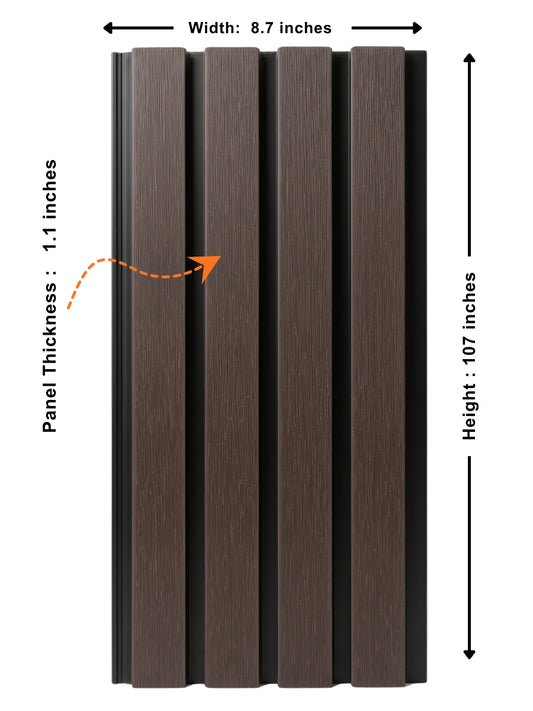

In the backyard, you are holding a little piece of plastic against the sky and trying to figure out what a total of 200 linear feet of it would resemble. It is really hard as selecting the right composite fence colors is most probably the most significant choice that you will make in your exterior project for the year. Unlike wood, which you can just repaint if you mess up, you are effectively marrying this color for the next 20 years.
I’ve walked through this process with dozens of homeowners, and I’ve seen what works (and what ends up looking cheap). Let’s break down how to pick a shade that elevates your yard without giving you decision fatigue.
The Reality of "The Look"
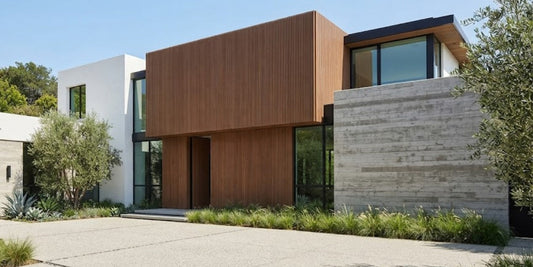
The true contrast to the modern architecture is the old building looking seemingly lightweight. By the use of the palette of earth tones and neutrals, it is really possible to bring the high-end feel to your yard.
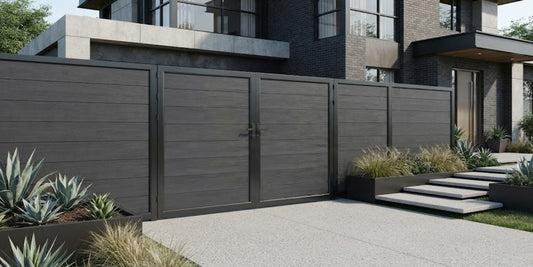
Most of the times when someone inquires about the best composite fence colors, I direct them to the colors that are on the darker end of the spectrum.
Why? Because plants love a dark background.
Let's take a moment to ponder over this. An arrangement of the really vivid green fern beside the white colors would be fine. Now, if that fern spright in front of a Charcoal or "Black Sand" fence, which is a very light color. It seems to take over the space. It is now all of a sudden a jungly feast of plants.
Slat flew walls like graphite or deep mocha are usually not very eye-catching, so they, in fact, are disappearing. They are not calling out to look at me. It is great that your yard feels a bit more spacious because of that.
The Elite Choices
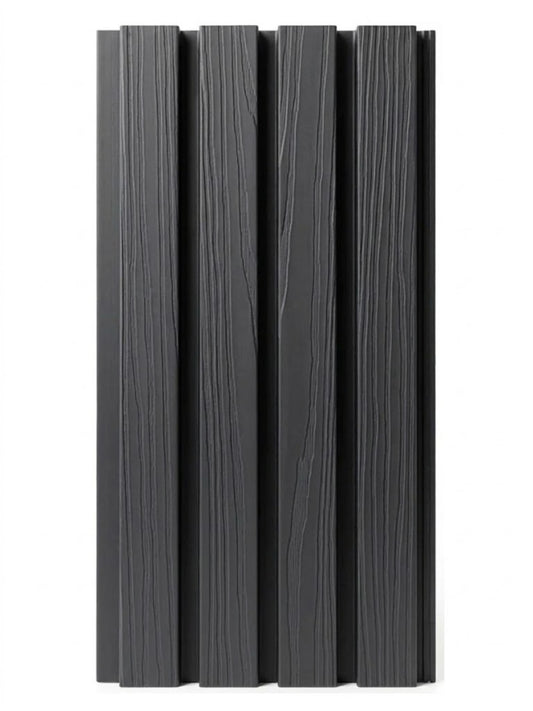
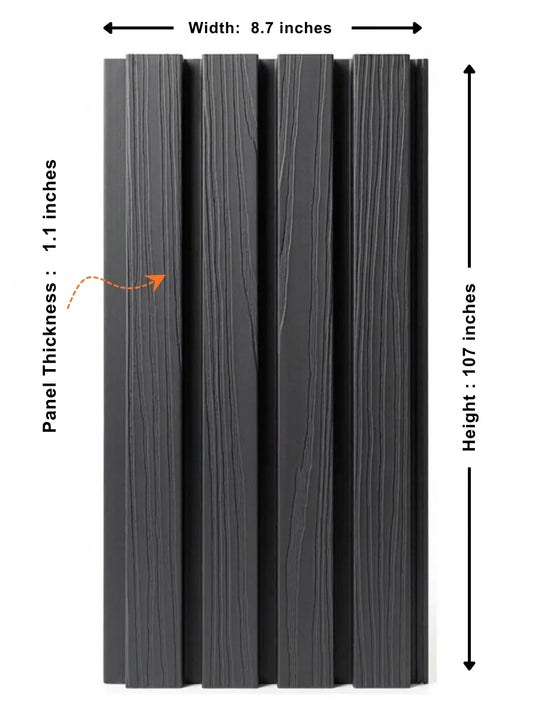
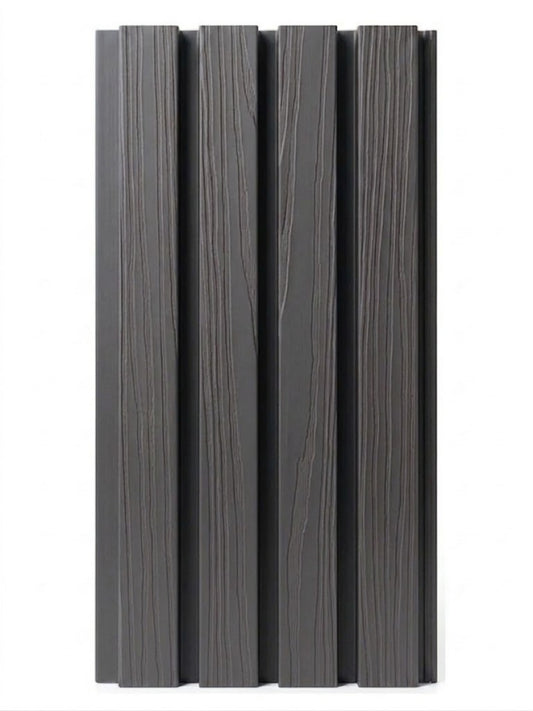
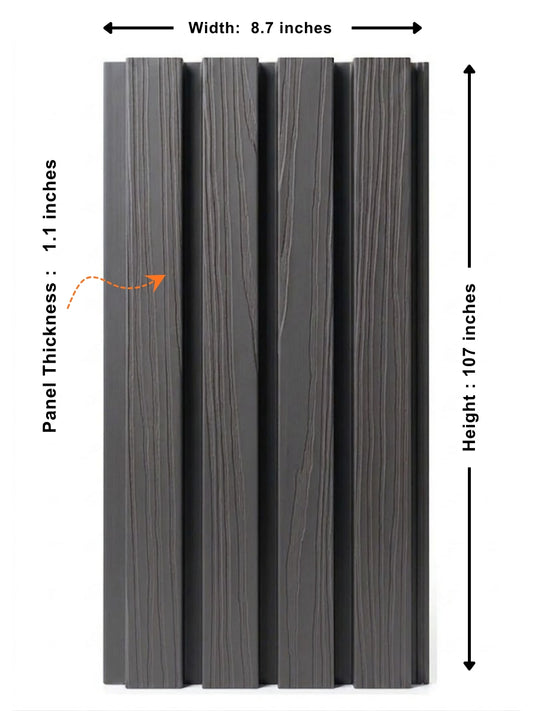
● The Grays: Starting from "Coastal Slate," which is light, gray to "Ironwood," which is dark. Grey is always a reliable option; it is modern and is able to cover dirt fairly well.
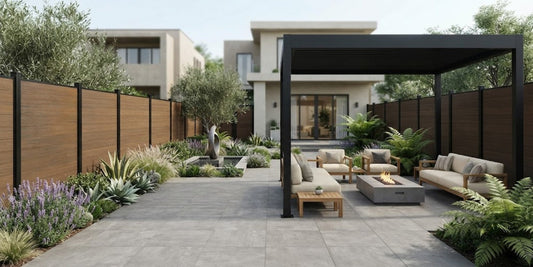
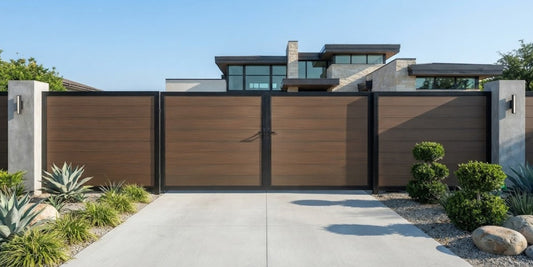
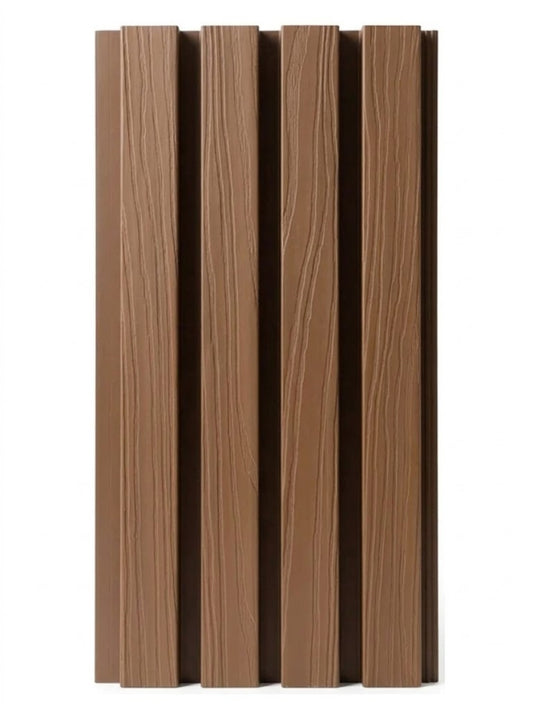
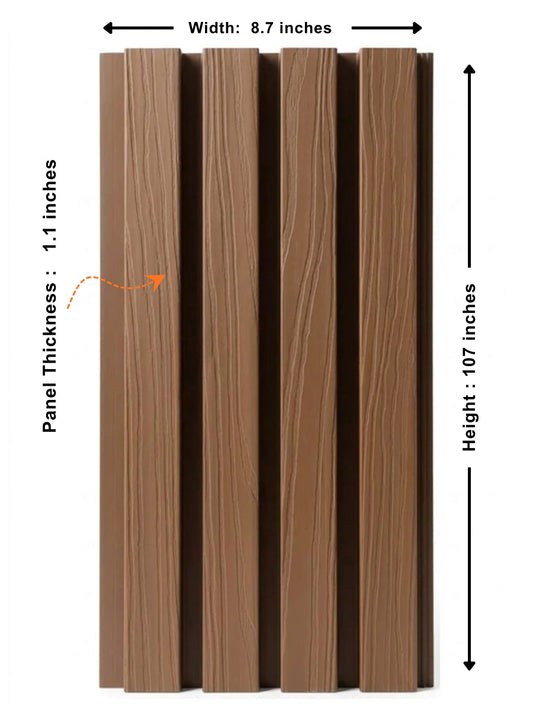
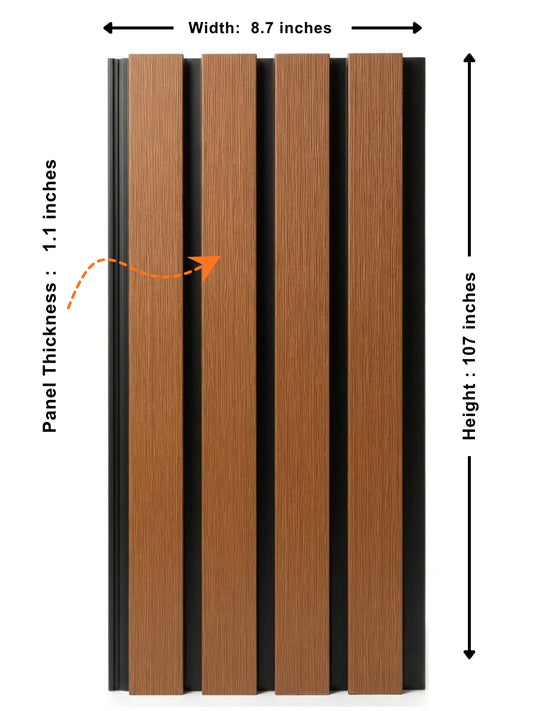
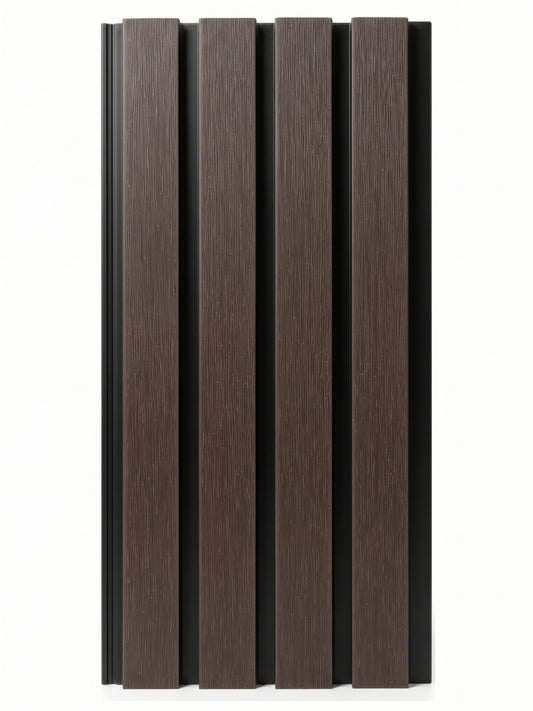
● The Browns: This is for when you want the timber's warmth but without the decay. A multi-chromatic brown looks the most authentic.
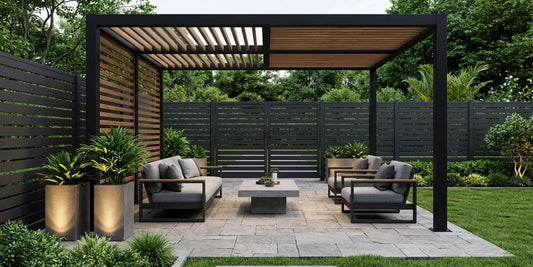
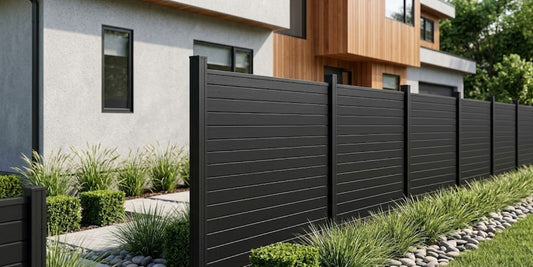
● The Black: It sounds intense, but matte black fencing is incredibly stylish right now. It frames the yard like a picture.

|
 |
 |
Texture is Just as Important as Color
You can pick the perfect shade but if the board is shiny and flat it is going to look like a plastic wall. That is the last thing you want.
When you are shopping, run your hand over the samples. You are looking for composite fence textures that mimic the grain of real timber. The best manufacturers emboss a wood grain pattern onto the board. This catches the sunlight differently throughout the day, creating shadows and depth.
If you go for a solid color with no texture, just be aware that it shows scratches more easily. If you have a big dog that likes to jump up on the gate, a textured board will hide those claw marks way better than a smooth one.
Wood vs. Composite: The Honest Price Talk
I know, the price tag on composite can make you sweat. When you compare composite fence vs wood on paper, wood is always cheaper upfront. Usually by a significant margin.
But here is the trade-off, and I say this as someone who hates sanding: wood is needy. You have to seal it. It warps. It rots at the posts.
With composite, you are paying upfront to buy back your weekends. You hose it off once in a while. That’s it. Plus, the composite fence colors you choose on day one are (mostly) the colors you keep.
The term "mostly" is used to connote the fact that boards lighten a bit during the first 12 weeks because they are exposed to UV rays. In case you have concerns about fading, you can take a precautionary measure of choosing a color that is a little darker than your desired one.
Design Trends That Actually Look Good
If you are spending the money on premium materials, don't just slap them up in a standard dog-ear pattern. Use the material to your advantage.
One of the biggest composite fence design trends right now is horizontal fencing. Instead of vertical pickets, you stack the boards sideways. It creates these clean, long lines that make a cramped suburban backyard feel wider.
Need some other composite fencing ideas? Try a two-tone look. I’ve seen people use black aluminum posts and rails, but fill the center with warm "Teak" colored boards. It looks like a custom architectural piece rather than just a barrier.
How to Make the Final Decision
Don't buy based on a picture on your phone. Screens lie.
- Order the samples. Get three or four different composite fence colors that you think you like.
- Go outside. Place the samples on the grassy area adjacent to your house siding.
- Hold on. Check them out in the morning with the sun shining on them. Observe them again at the time of sunset. A grey fence might look blue in the morning light and beige in the evening. You need to know that before you buy.
Tags:
Previous
Transform Your Home with Unique Fence Gate Ideas
Next
Why PVC Marble Sheets Are the Secret to High-End Home Design for Less