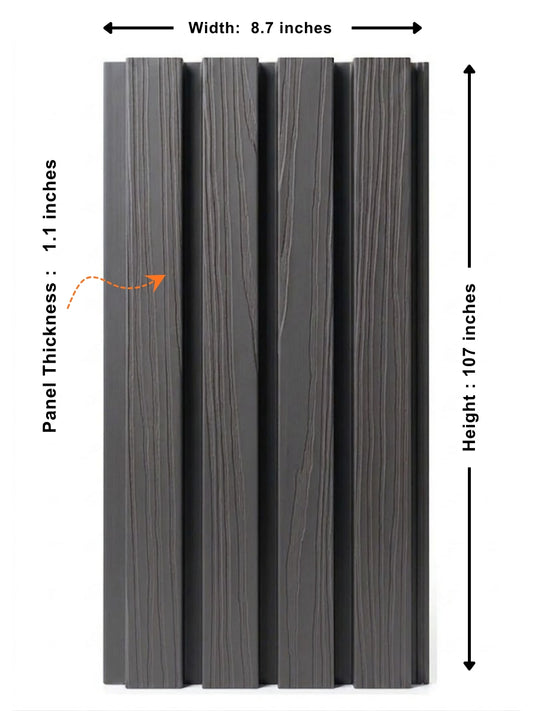

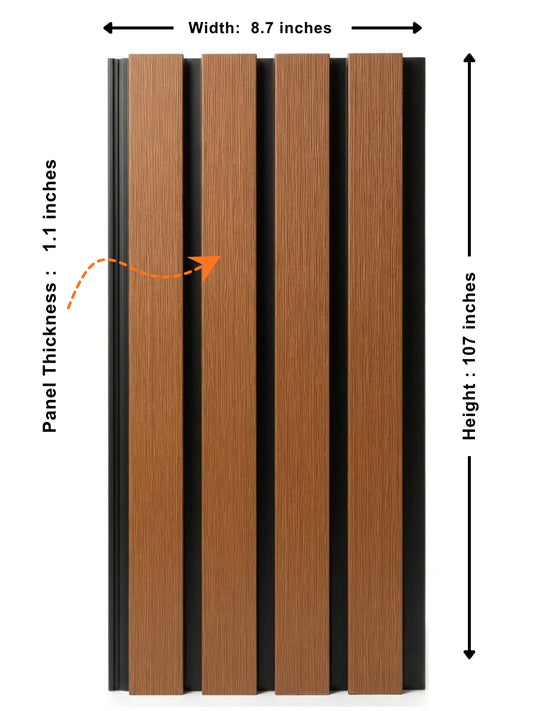
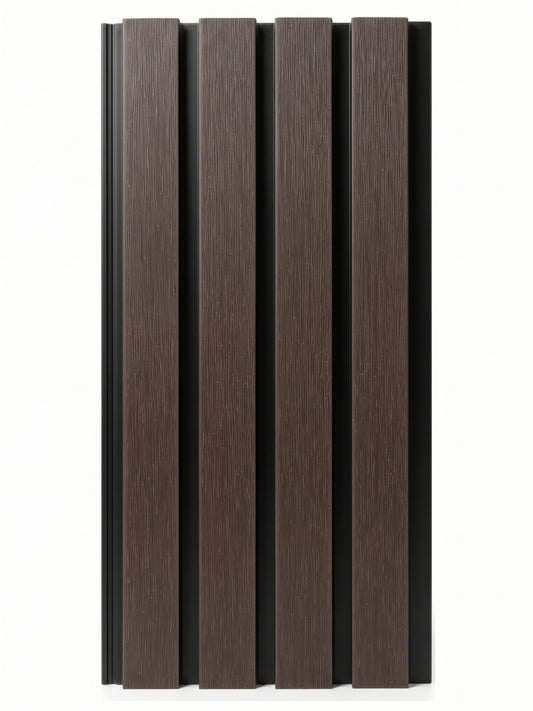
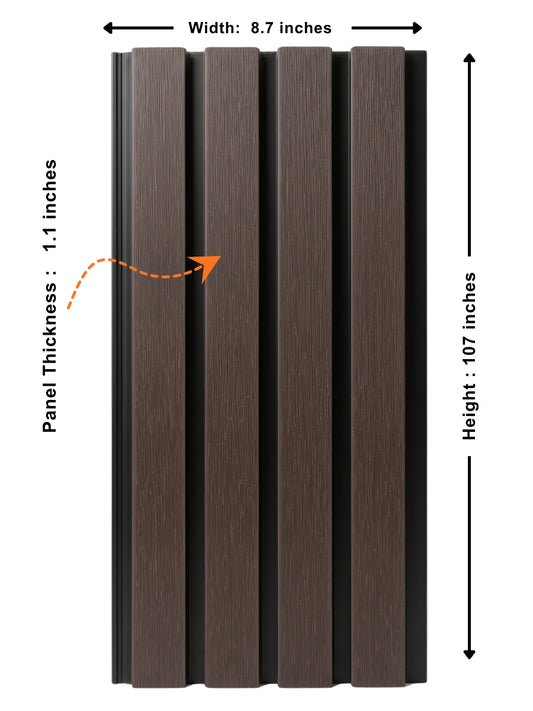

You understand the procedure if you have ever devoted a lot of time to looking after a wooden border that follows the traditional style; it entails the two-yearly practice of sanding, the inevitable chaos caused by spilling stain, and the heart-wrenching experience of noticing a decayed post. It is a repeating process that numerous homeowners yearn to flee from. Enter composite fencing the modern solution that promises the warm look of wood without the high-intensity workout.
But with so many options—from grabbing a few composite fence panels at NewGen Depot to investing in premium composite fencing—how do you know what’s actually worth your hard-earned money? Let's peel back the layers on costs, styles, and the "unfiltered" truth about durability.
1. What Exactly Are You Buying? (Composite vs. Plastic)
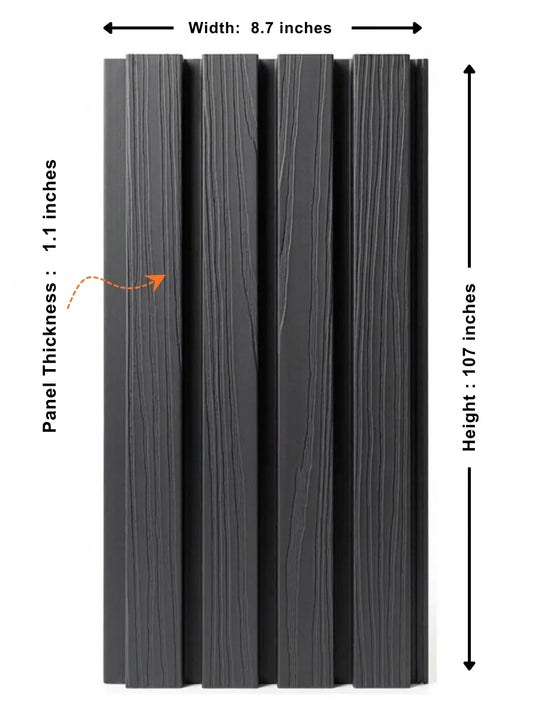
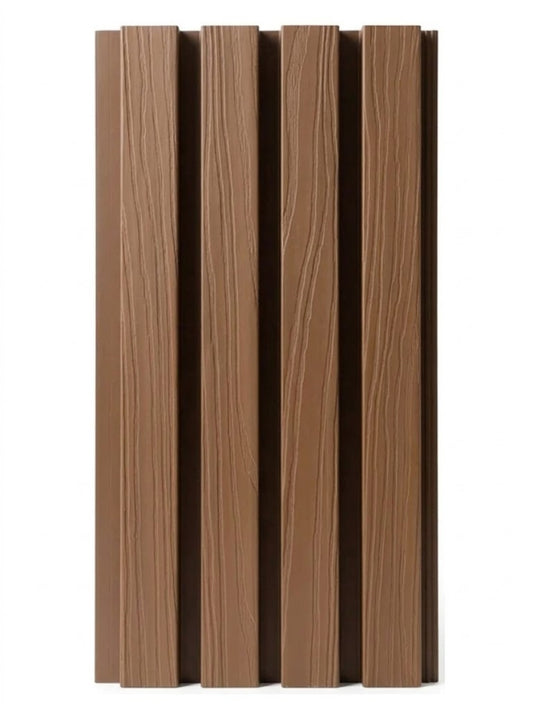
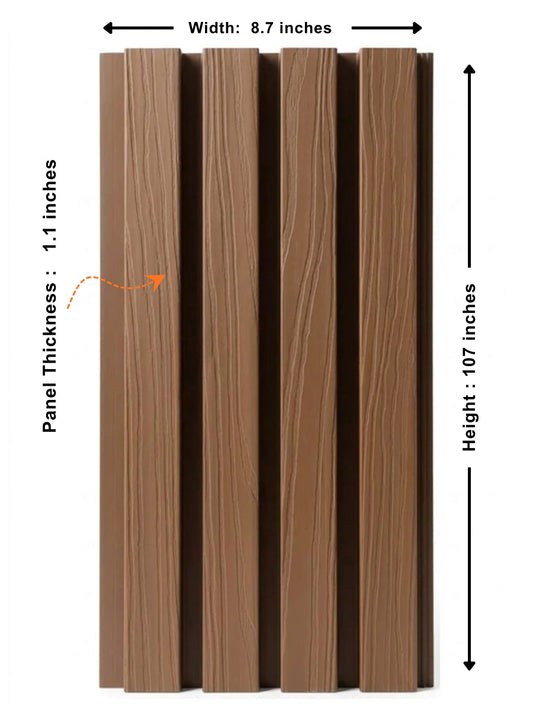
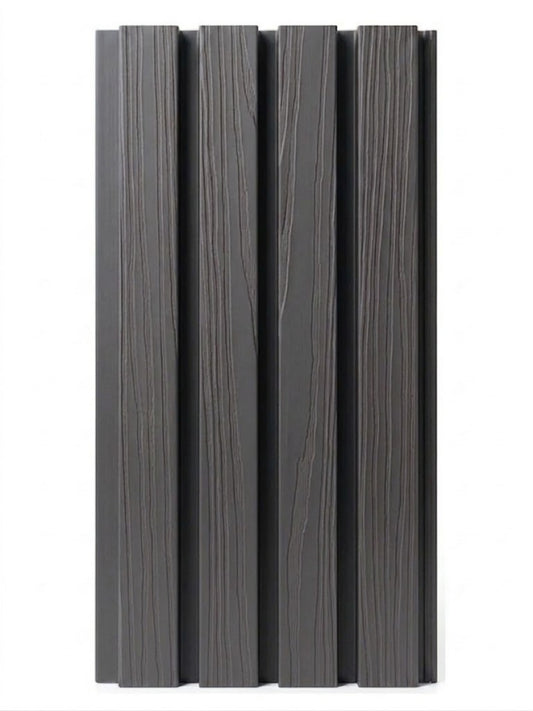
People would often use the terms "composite" and "plastic" interchangeably when you begin your research; however, the way they are in your yard is very different. Often, instead of searching for true composite fencing, the step at NewGen Depot that leads to money-saving PVC options, you will just find plastic fence panels. It consists of a mixture of recycled wood fibers and high-density plastics.
● The "Plastic" Touch: Pure PVC may be excessively "shiny" or sterile in some instances.
● The "Composite" Feel: This hardwood feels premium because the product is made of real wood flour, it has a full body weight and it is not shiny at all.
If your neighbor should believe you have installed some lavish hardwood, the best choice is to go with composite.
2. The Style Edit
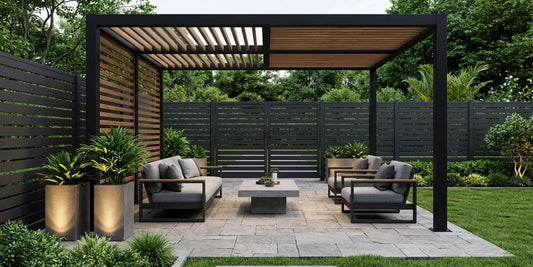
Composed of horizontal lines, then composite fences, just as art, is an abstract but trending idea. Art is not just the way you perceive it. It also involves the elements transforming it to what it is. So, art for you and your garden is very personal. Horizontal slats create an optical illusion — they lead the eye along the perimeter, making a small garden or backyard feel significantly wider.
Who buys such pieces then? Logically, people with a little extra to spend who want a high-end look are seeking these components. You want it in place of the plain rail system for structural support? The two components you get are a clean look and an architectural design. The whole thing seems to be ordinated just as a spa or a boutique hotel.
3. A Deep Dive into Composite Fencing
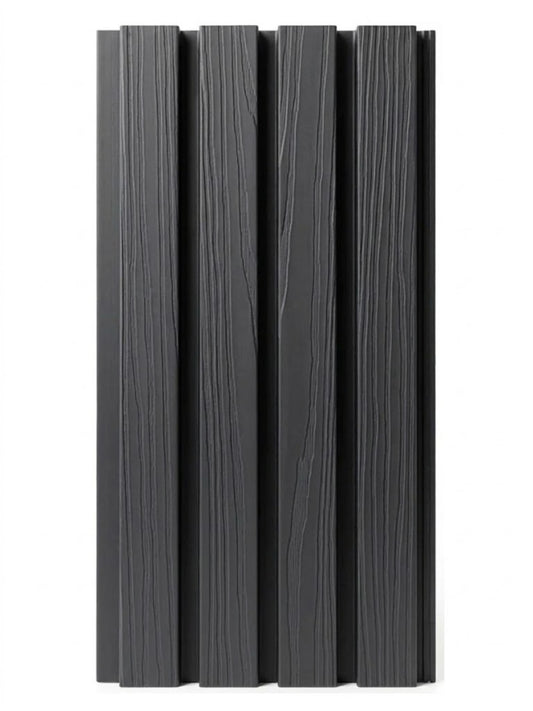
Most high-end composite fencing manufacturers now use a "co-extruded" or "capped" layer. This is a hard outer shell that protects the inner core from UV rays. This is vital because, in the early days of composite, fences used to fade unevenly. With modern systems, the color you see on Day 1 is the color you’ll see in Year 15.
 |
 |
 |
4. The Local Context
The way geography alters our decision-making is truly amazing. To illustrate this point, imagine the case of someone in New Jersey searching for wooden fences who has to confront a serious UV exposure and termite dangers. Conversely, individuals in the UK face the problem of dealing with the high moisture content in the air which can lead to fungal decay.
Composite solves both. It doesn’t "silver" or crack in the Cali sun, and it won't turn into a mushroom-covered sponge in a rainy British winter.
5. Installation Realities: Can You Do It Yourself?
One thing the brochures don't always tell you is that composite is heavy.
The weight: A single composite fence panel can outweigh a single cedar panel by almost two to one.
Thermal Expansion: Unlike wood, composite materials experience very slight temperature dependent expansion and contraction.
On the other hand, if you do not allow the right gaps in the composite rail, this will lead to the buckling of the fence.
That's the reason a lot of people prefer the "slot-in" systems, for instance, which can be found in hardware stores like NewGen Depot. They are made of aluminum posts which have to be pre-grooved, allowing for the panels to slide in easily. Thus, the expansion is automatically taken care of.
Tags:
Previous
How Fence Gate Designs Add Beauty to Your Home Exterior
Next
The Best Budget-Friendly Solutions for Salon Transformations