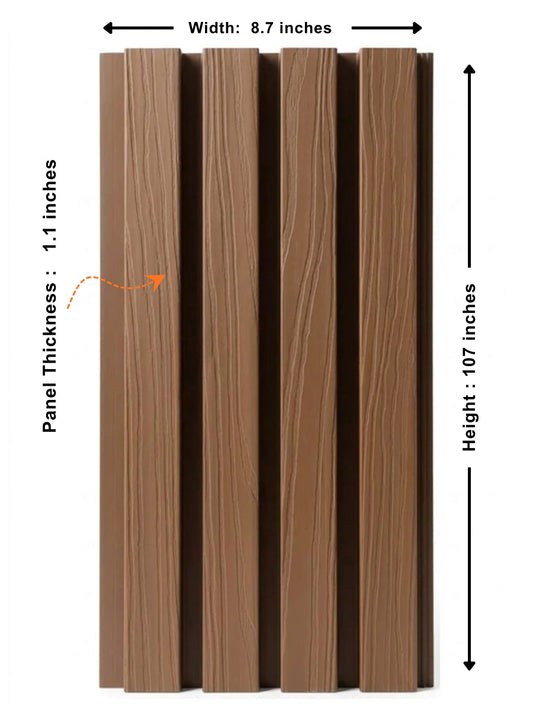
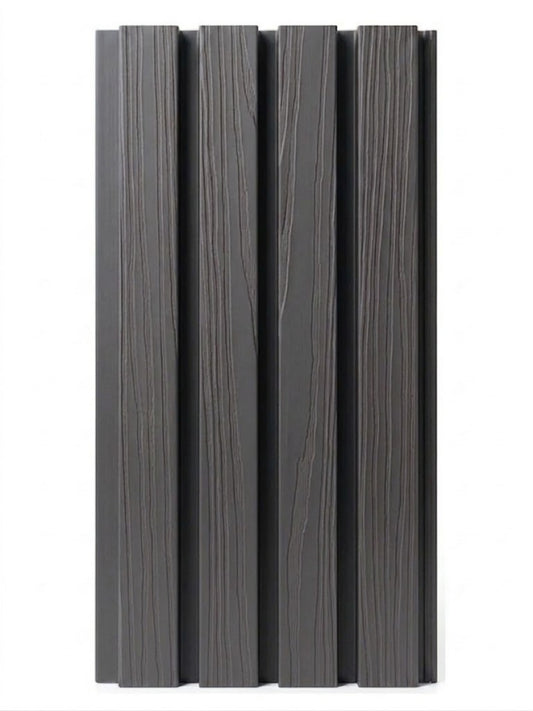
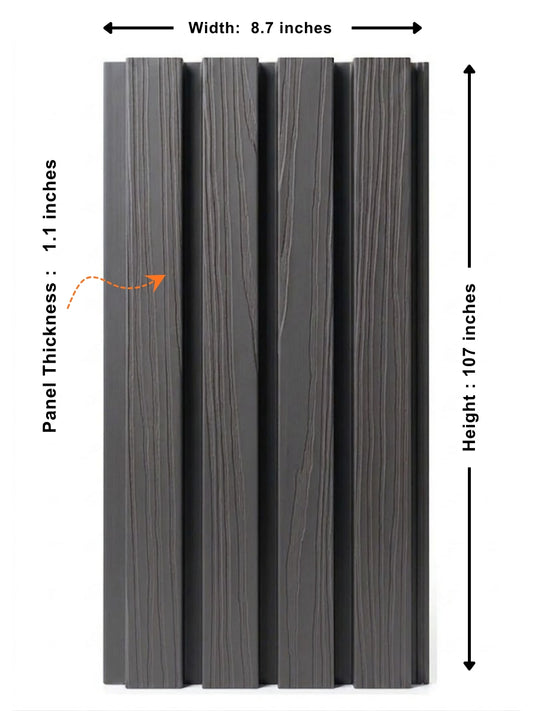

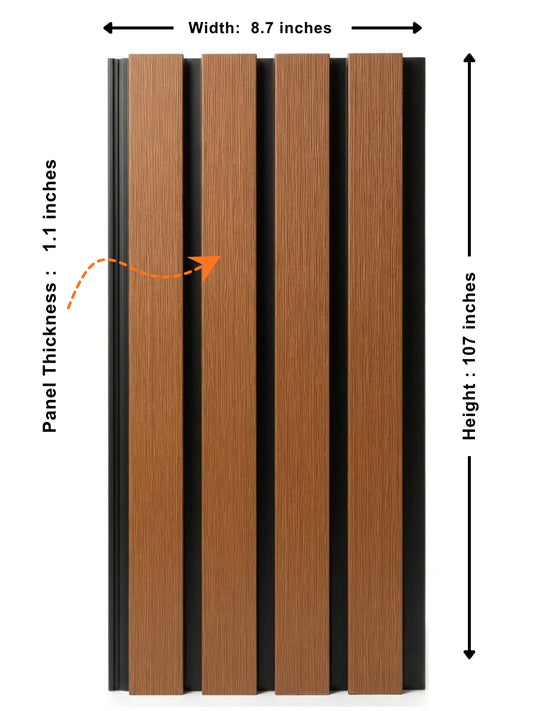
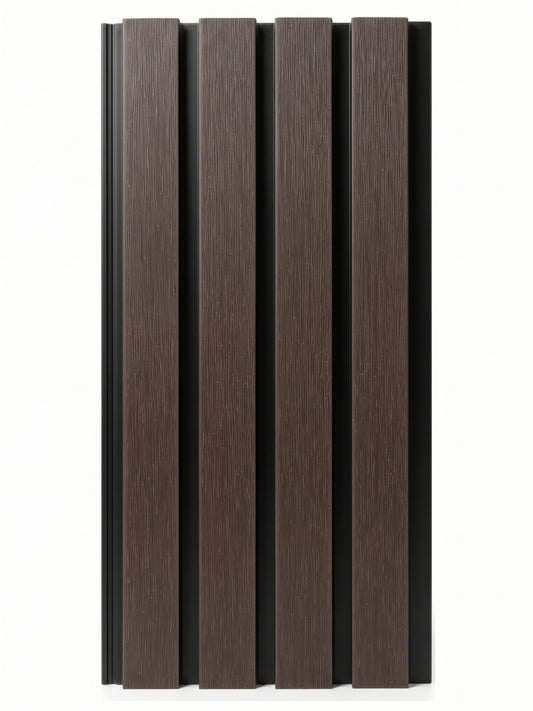
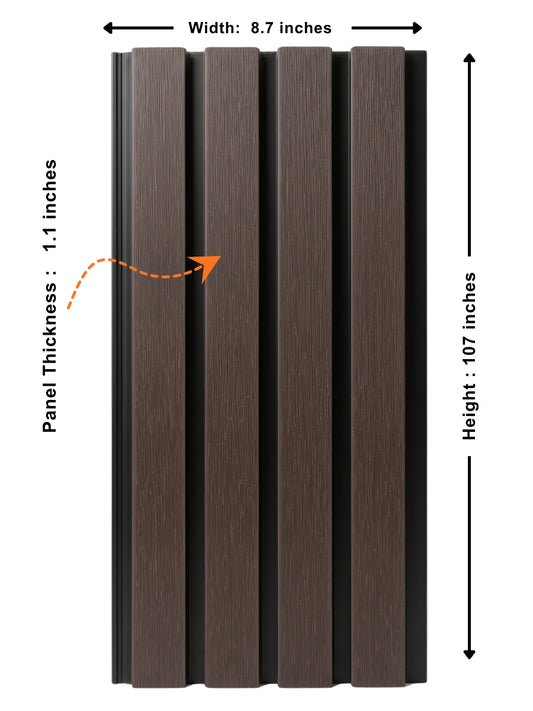

Composite Siding for Exterior Walls
Exterior design has evolved from brick, vinyl, and painted wood. Homeowners, architects, and contractors alike are turning to vertical composite siding to achieve cleaner lines, a greater sense of visual height, and a modern architectural look - without the maintenance issues of natural wood.
The exterior composite cladding is made of wood-plastic composites that offer the beauty and feel of a wood element while resisting cracking, fading, moisture, and weather effects. This makes composite siding an appropriate choice for residential houses, commercial structures, garden structures and exterior feature walls.
Why Vertical Composite Siding Is Transforming Modern Exteriors?
There is still a lot of interest in the traditional horizontal siding, but vertical mounting produces a distinctly different architectural effect. Vertical composite siding can create exterior walls that appear taller, and provide a cleaner, more modern look to a property, with the long upward siding lines.
Vertical layouts are also suitable in modern architecture where simplicity of geometry and definition of lines is essential. Designed not just as a protective layer, designers can use siding as an important visual element that will influence exterior appearance of the building as a whole.
Create a Clean and Contemporary Exterior Design
The main benefits of vertical cladding are that it can make a building simpler. Long vertical boards eliminate visual clutter and provide a structured rhythm of the large exterior surface.
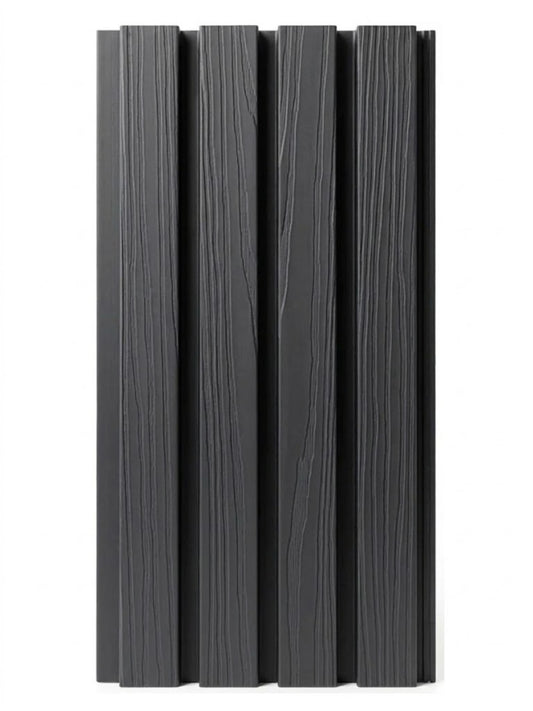
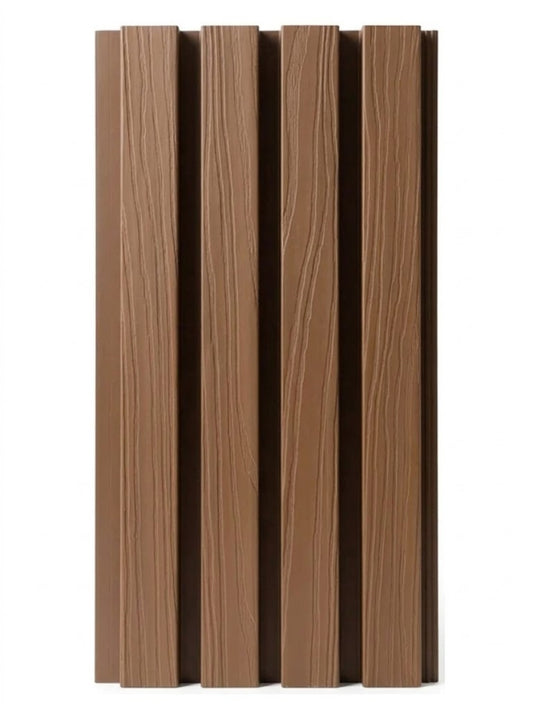
This dark black, gray, brown, and wood-inspired coloring palette can complement any minimalist house, to contemporary commercial project. Today, a new range of wide composite exterior cladding is available at NewGen Depot in a variety of modern finishes for subtle and high contrast exterior styling.
Use Vertical Composite Siding to Add Visual Height
It is natural for the human eye to follow the lines upward when they go vertically. This can extend the height of the home, and add more architectural structure to entrances, extensions, garages, and smaller facades in single-story homes.
This design method is particularly effective when vertical composite siding is used as a component around entrances, or as a siding on some exterior walls, but not all. Visual interest can be achieved without the design being too much through the strategic placement.
Mix Composite Cladding with Stone, Brick, or Render
Modern exterior doesn't have to be all about one material. Exterior composite cladding can be used to add depth and contrast to stone, brick, concrete, stucco, or smooth rendered walls.
For instance, dark siding along light stonework will produce a modern look. Wood-look composite boards can also help to give concrete or metal surfaces a more welcoming feel, while maintaining the clean aesthetic of modern buildings.
Create an Exterior Accent Wall
If full building cladding is not required, then you can choose to apply vertical composite boards to make a feature area. Accent cladding is a great choice for entrance walls, patios or balconies, garage fronts, garden rooms and between windows.
This way, homeowners are able to update the outside of their home without having to alter the existing facades. A feature wall can be a great way to unite all elements of architecture and create a strong focal point if well placed.
 |
 
|
 
|
Why Composite Siding Works Well for Exterior Applications
Exterior wood usually needs continuous staining, sealing, painting, or other maintenance, but it can be attractive using natural timber. The composite material is engineered so as to be more aesthetically pleasing to the eye of wood, but with reduced need for routine maintenance.
The wood-plastic composite products NewGen Depot says resist moisture, UV exposure, fading, cracking, and harsh outdoor conditions are its composite boards. It is a combination that is especially suited to outdoor applications that require both good looks and durability.
Low-Maintenance Exterior Walls
Lower maintenance is one of the primary factors for use of vertical composite siding. Composites do not need to be painted or stained as frequently as painted timber.
Surface dirt can be removed regularly, thus maintaining the façade's appearance. A lower maintenance option for busy homeowners, property managers or commercial projects may be a huge benefit to them over those that need continual refinishing.
Weather and Moisture Resistance
Exterior walls are exposed to the elements, including rain, sun, temperature, humidity, wind, and the environment in general. So, the exterior façade material should be able to function over varying conditions.
The composite cladding is specially designed for exterior use. Moisture-resistant construction methods can help to minimize typical issues of untreated wood, and UV-resistant surfaces are designed to keep the exterior from changing color over time.
A Wide Range of Modern Color Options
Colour is a significant element in exterior design. Black composite siding will lend a bold modern look to the exterior, and gray siding will harmonize with minimalist architecture. Wood-like and brown shades create a cozy atmosphere and can blend in with a natural feel and landscape.
At present, NewGen Depot's range of composites is available in black, brown, gray, light gray and mixed brown and black, dark brown and black and other finishes inspired by wood. This variety is more convenient for coordinating the cladding with the windows, roofing, fencing, trim, and other materials.
How Is Vertical Composite Siding Installed?
The correct substructure is vital for exterior cladding to be successful. Prior to installation of the composite boards, NewGen Depot suggests attaching treated timber or aluminum battens to form a rainscreen so that it will be ventilated.
Boards can then be mounted vertically with the proper clips or screws and expansion gaps set at the manufacturers' recommendations. Openings should be properly flashed and can be finished around exposed edges with appropriate corner trims, end caps and finishing accessories.
Why Proper Ventilation and Expansion Gaps Matter
Natural expansion and contraction of composite materials can occur in response to changes in environmental temperature. This movement can be accounted for with the provision of adequate clearance between components to facilitate movement and promote long-term stability of the installation.
A gap between the cladding also facilitates moisture and airflow control. Therefore, installation instructions always must be strictly followed, and exterior boards must never be nailed to inappropriate exterior wall surfaces.
Finish Corners and Edges for a Professional Appearance
The main siding boards would only be one of the finished exterior installations. Corners, ends, transitions and edges should also be looked at carefully, to avoid an unfinished look.
For its composite cladding system, NewGen Depot now is able to provide matching products such as outside corner trims, end caps, L trims, and stainless-steel installation brackets. Clean transitions throughout the façade through using compatible finishing components.
Where Can Vertical Composite Siding Be Used?
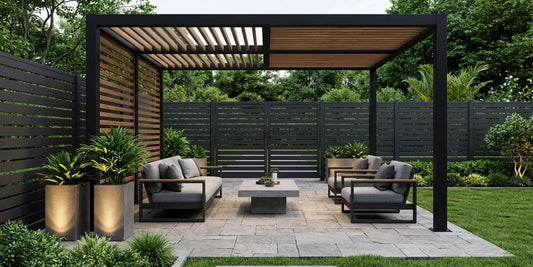
Vertical composite siding can be used in a multitude of residential and commercial projects. Can be applied on house facade, house extension, garage, garden room, outdoor entertainment space, house entrance, commercial buildings or special feature walls.
Since composite cladding has both decorative and exterior performance qualities, it can be used throughout an entire wall area or just in specific areas of a building to highlight certain sections.
Why Choose NewGen Depot for Exterior Composite Cladding?
NewGen Depot offers a range of exterior cladding composite materials plus matching trims and accessories for installation. It has a variety of modern and wood-inspired finishes that are appropriate for various architectural styles.
The company also offers wholesale and bulk buying for contractors and larger projects. Customers who are considering exterior remodeling may find it easier to select materials if all the siding, finishing, and other components are from a single supplier.
Conclusion
Vertical composite siding is a practical solution to enhance the look of exterior walls to look taller, cleaner and more modern. It's designed to be flexible, weather-resistant, easy to maintain and offers wood-inspired finishes, making it a great option for exterior applications.
Exterior composite cladding can enhance a building's exterior by creating a more refined architectural element that can be used throughout an entire building façade or as a unique accent wall. Homeowners and contractors have a variety of colors and installation accessories to choose from at NewGen Depot to make exterior spaces stylish and functional.
Frequently Asked Questions
What is vertical composite siding?
Vertical composite siding is exterior cladding mounted vertically (up and down) instead of horizontally (side to side). It forms robust vertical lines which can give the impression of a building being raised, and also provide a streamlined and contemporary architectural appearance.
Is composite siding suitable for exterior walls?
Yes. Composed of materials intended for exterior use, exterior-grade composite siding can withstand moisture, weather elements, fading, and other environmental conditions, if installed and maintained correctly.
Can composite cladding be installed vertically?
Yes. If the requirements of supporting battens, the fixing system, ventilation, spacing, etc and the manufacturer's installation procedure are adhered to, the cladding board can be installed vertically.
Does vertical composite siding require much maintenance?
Generally, composite siding needs less routine maintenance than natural timber siding because it doesn't require staining or painting. Regular cleaning helps remove dirt and keep it looking nice.
What colors work best for modern composite siding?
Modern architecture is complemented by colors such as black, dark brown, gray, light gray and natural wood. It will depend on the materials surrounding it, the design of the roof, the windows to go with it, the landscaping, and whether you're looking for subtle contrast or a feature wall.
Where can exterior composite cladding be installed?
This composite cladding is ideal for residential cladding, garages, extensions, garden rooms, commercial cladding, entrance facades, patios, and accent walls. Always ensure that the product and installation is suitable for the application.
Tags: